
Honoring Orofacial Pain Heroes
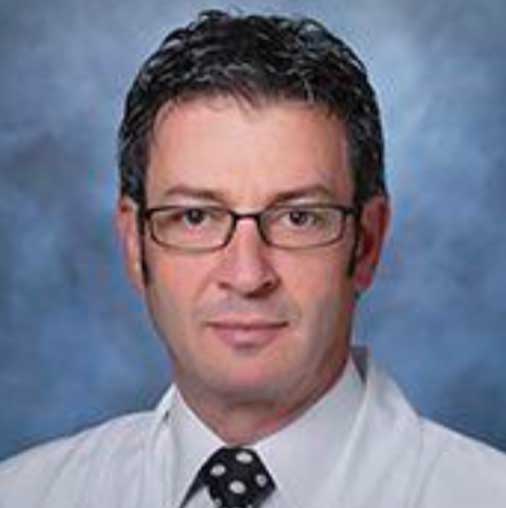
Steven Graff-Radford, DDS, FAHS
Dr. Steven Graff-Radford, DDS, FAHS, was an internationally recognized leader and trailblazer in the fields of orofacial pain, temporomandibular disorders, and headache medicine, whose work significantly advanced the recognition of orofacial pain as an essential branch of dentistry within interdisciplinary pain and headache management.
Dr. Graff-Radford earned his dental degree from the University of the Witwatersrand in Johannesburg, South Africa, where he received the Henry St. John Randall Medal for Orthodontics. He joined UCLA in 1978 as a dental school graduate accepted into the Oral and Maxillofacial Surgery Residency program, while also exploring educational opportunities within the dental school. During this time, his interests expanded beyond surgery to include chronic pain and temporomandibular disorders.
His exposure to the UCLA Department of Anesthesiology Pain Management Center profoundly shaped his career path. In 1982, he was awarded a pain management fellowship, which became the foundation of his lifelong professional focus. Following completion of the fellowship, Dr. Graff-Radford joined the faculty, where he treated patients, taught extensively, and later served as Education Director.
In 1990, Dr. Graff-Radford proposed and established the first formal residency program in orofacial pain. This groundbreaking program became the model for subsequent training programs and served as the foundational framework adopted by the American Board of Orofacial Pain for its board certification examination.
Dr. Graff-Radford later served as Director of the Headache, Orofacial Pain, and Sleep Apnea Program at the Cedars-Sinai Pain Center and held an appointment as Clinical Professor at the USC School of Dentistry. He maintained a highly distinguished academic career, securing numerous research grants and authoring more than 150 peer-reviewed publications, book chapters, and abstracts.
A pioneer in interdisciplinary collaboration, Dr. Graff-Radford became world-renowned in the headache community and was the first dentist to serve on the Board of Directors of the American Headache Society. Through his clinical work, research, and education, he helped to change perceptions of dentistry within the medical community, particularly regarding temporomandibular disorders and headache care. He was a pioneer in dentistry, expanding the scope of pain management to address the full spectrum of primary headache disorders and personally training many dentists in advanced orofacial pain and headache management.
In recognition of his enduring impact, the American Headache Society established the annual “Steven Graff-Radford Lecture on Headache and Facial Pain” to honor his contributions to education, research, and clinical excellence.
Dr. Graff-Radford’s legacy endures through the clinicians he trained, the programs he created, and his lasting influence on the recognition and advancement of orofacial pain as the 12th dental specialty.
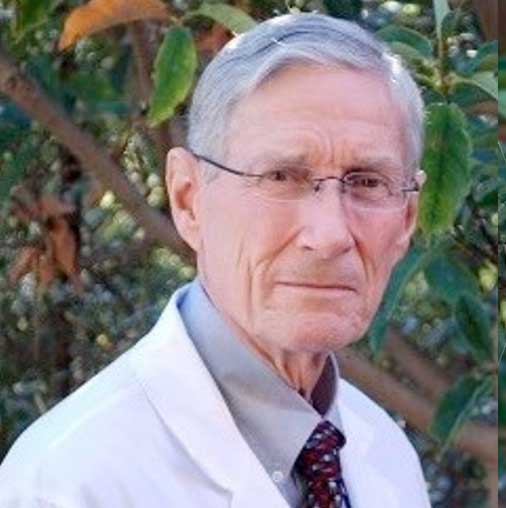
Robert Lee Merrill, DDS, FAHS
Dr. Robert Lee Merrill, DDS, was a pioneering leader in the field of orofacial pain and headache medicine, whose career profoundly shaped clinical practice, education, and research for generations of clinicians.
Dr. Merrill was born in Salt Lake City, Utah, and raised in Ogden. He served in the United States Air Force from 1953 to 1957 before pursuing his academic interests. Although he initially began graduate studies in the Classics at UCLA, his enduring passion for the sciences led him to dentistry. He earned his dental degree from the University of Southern California School of Dentistry in 1973, followed by advanced training in pain management at UCLA, and later completed a Master’s degree in Oral Biology.
Dr. Merrill devoted much of his professional life to advancing the understanding and treatment of orofacial pain. He served as Director of the UCLA Orofacial Pain Clinic from 1994 to 2003 and as Director of the UCLA Orofacial Pain Program from 2003 to 2019. In these roles, he was instrumental in developing one of the most respected orofacial pain training programs in the country and in mentoring numerous residents, fellows, and clinician-scientists.
A nationally and internationally recognized educator, Dr. Merrill played a key role in the development of the first American Board of Orofacial Pain examination. He created and taught numerous continuing education courses and mini-residency programs in orofacial pain and sleep medicine, significantly expanding access to specialized education in these fields. He authored and co-authored numerous peer-reviewed publications and book chapters on orofacial pain, headache, and sleep-related disorders.
Dr. Merrill was a Fellow of the American Academy of Orofacial Pain and a Fellow of the American Headache Society. He received the Lifetime Achievement Award from the American Academy of Orofacial Pain, recognizing his exceptional contributions to education, leadership, and the advancement of the specialty. He also served as a past chair of the section on Temporomandibular Disorders, Cervical Spine, and Orofacial Pain within the American Headache Society, reflecting his broad impact across related disciplines.
As Professor Emeritus at the UCLA School of Dentistry, Dr. Merrill remained deeply respected for his intellectual rigor, generosity, and humility. He was widely admired by his patients, colleagues, and, in particular, his UCLA residents, who remember him as a compassionate clinician, a gifted teacher, and a dedicated mentor.
Outside of his professional life, Dr. Merrill had a love of learning and craftsmanship, with interests including skiing, fly fishing, baking sourdough bread, learning languages, and studying Egyptian hieroglyphs. He was also deeply committed to service through his lifelong involvement in the Church of Jesus Christ of Latter-day Saints, where he held several leadership roles.
Dr. Merrill’s legacy endures through the countless clinicians he trained, the programs he built, and the foundational role he played in shaping modern orofacial pain education and practice.
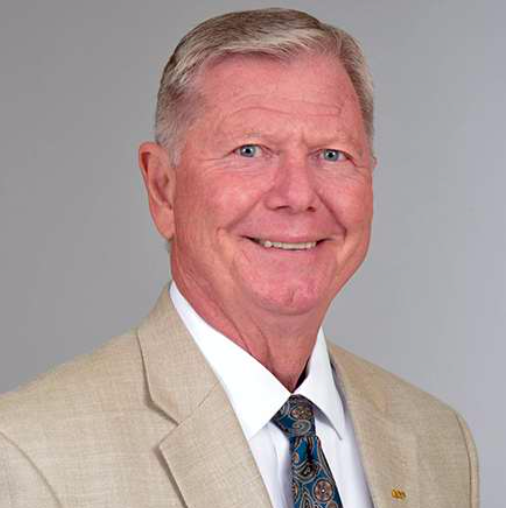
Henry A. Gremillion, DDS
Dr. Henry A. Gremillion was a nationally and internationally respected leader in dentistry and orofacial pain whose career was defined by service, scholarship, and mentorship. A Louisiana native and proud alumnus of the Louisiana State University School of Dentistry, he graduated in 1977 and practiced general restorative dentistry in Cottonport, Louisiana from 1977 to 1989.
Following private practice, Dr. Gremillion completed a two-year Fellowship in Craniofacial Pain and Dysfunction at the University of Florida College of Dentistry under the mentorship of Dr. Parker E. Mahan. During this formative period, he developed a lifelong professional and personal relationship with Dr. Mahan that profoundly shaped his academic career. In 1991, after a successful period in private practice, he returned to the University of Florida to pursue an academic career in orofacial pain.
At the University of Florida College of Dentistry, Dr. Gremillion served as Director of the Parker E. Mahan Facial Pain Center and its orofacial pain fellowship program from 1992 to 2008 and was an active member of the dental staff at UF Health Shands Teaching Hospital. He held the Parker E. Mahan Endowed Professorship in Orofacial Pain in the Department of Orthodontics and an affiliate appointment in the Department of Prosthodontics, playing a key role in shaping one of the most influential orofacial pain training programs in the United States.
In October 2008, Dr. Gremillion was appointed the sixth Dean of the LSU Health New Orleans School of Dentistry, a position he held until his passing in May 2020. As the only alumnus to serve as Dean, he also held the E. E. Jeansonne Endowed Professorship of Lifelong Learning and was widely respected for his inclusive leadership, commitment to dental education, and ability to foster a strong sense of community across the dental school.
Dr. Gremillion received numerous honors throughout his career, including multiple Teacher of the Year awards, the Pierre Fauchard Academy Gold Medal Award, the Academy of General Dentistry’s Thaddeus V. Weclew Award, the Dawson Academy Distinguished Service Award, and the American Academy of Orofacial Pain Distinguished Service Award. He served as Chair of the Board of Directors of the American Dental Education Association and as President of the American Equilibration Society from 2004 to 2005. His service to the American Academy of Orofacial Pain included leadership and committee roles reflecting his enduring commitment to the specialty.
During his life and professional career, Dr. Gremillion was guided by his strong faith and values learned early in life. Despite his widespread acclaim both nationally and internationally, he never let status or scale stand in the way of treating everyone with equal respect. No individual was too prominent, no initiative too expansive, and no role too distinguished for him to engage directly and personally. Devoted to both his family and his profession, Dr. Gremillion was a selfless mentor and servant leader whose kindness, integrity, and generosity left a lasting impact. His influence continues to be deeply felt by all who had the privilege of knowing him.
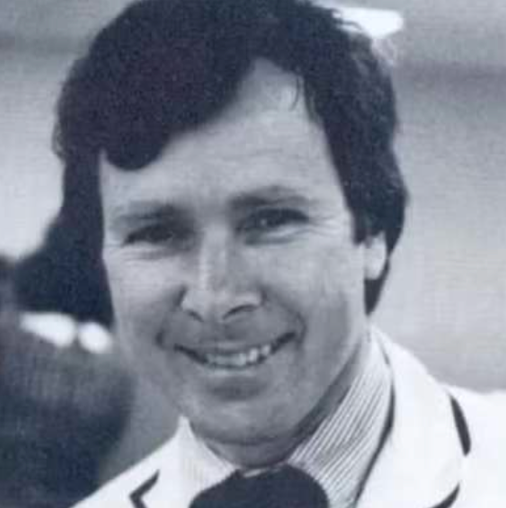
William K. Solberg, DDS, MSD
Dr. William K. Solberg was a highly respected dental educator, researcher, and pioneer in the field of temporomandibular disorders and orofacial pain. He served on the faculty of the UCLA School of Dentistry for 27 years, joining the institution in 1968, shortly after its founding, and played a foundational role in shaping UCLA’s academic and clinical programs in orofacial pain.
A native of Minnesota, Dr. Solberg earned his undergraduate degree from Carleton College and completed his DDS and MSD degrees concurrently at the University of Minnesota School of Dentistry in 1966. He furthered his training through a research fellowship in Stomatognathic Physiology and Dysfunction at the Royal Dental College in Denmark, an experience that helped define his lifelong scholarly focus.
At UCLA, Dr. Solberg held multiple leadership roles, including Chair of the Section of Gnathology and Occlusion. His most enduring contribution was the founding and directorship of the Orofacial Pain and Temporomandibular Joint Center at the UCLA School of Dentistry, which he led for more than two decades until his retirement in 1995. Under his leadership, the center became an internationally recognized program for clinical care, research, and education in TMJ disorders and orofacial pain.
Dr. Solberg was a prolific researcher and author of nearly 80 peer-reviewed publications, primarily focused on temporomandibular joint disorders and related pain conditions. His work earned international recognition and led to numerous invitations to lecture worldwide. Equally impactful was his dedication to mentorship, as he guided generations of students and faculty members who went on to distinguished academic and clinical careers.
Beyond his professional achievements, Dr. Solberg was widely admired for his intellectual curiosity and wide-ranging interests. He was an accomplished sailor, woodcarver, and pianist, and in later years enjoyed cycling and writing. His engagement with public discourse was reflected in more than 50 letters to the editor published in the Los Angeles Times, a pursuit he considered among his most enjoyable accomplishments.
Dr. Solberg’s legacy endures through his scholarly contributions, the institutions and programs he helped build, and the many individuals he inspired through his mentorship and example.
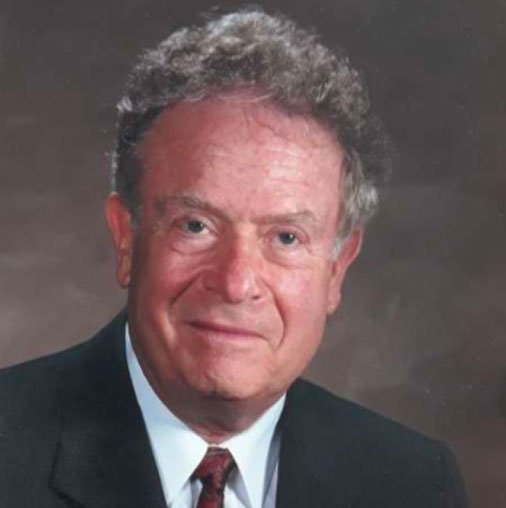
Norman D. Mohl, DDS, Ph.D.
Dr. Norman D. Mohl earned his DDS degree from the University of Bualo in 1956 and served as a Dental Oicer in the U.S. Navy Dental Corps before entering private practice in Bualo, New York. He later pursued advanced training at the State University of New York at Bualo, earning both an MA and PhD in Anatomy from the School of Medicine and Biomedical Sciences. Dr. Mohl subsequently joined the University of Bualo School of Dental Medicine as a full-time faculty member, where his career encompassed teaching, research, and academic administration.
From 1973 to 1984, Dr. Mohl served as Dean for Academic Aairs and was an American Council of Education Fellow in Academic Administration. He founded the Oral Sciences MS Graduate Program, organized a multidisciplinary postgraduate clinic, and initiated a dedicated pain clinic for temporomandibular disorders and orofacial pain. From 1980 to 1998, he directed an NIH/NIDCR-funded postdoctoral training program in multidisciplinary orofacial pain research. In 1994, he became Chair of the Department of Oral Diagnostic Sciences, a position he held until 2004.
Dr. Mohl was a co-founder and past president of the Association of University Temporomandibular Disorders and Orofacial Pain Programs (AUTOPP) and served as President of the Neurosciences Group of the International Association for Dental Research. He co-chaired the First, Second, and Third National Educational Conferences on Temporomandibular Disorders and Orofacial Pain and served as a consultant to the National Institute of Dental and Craniofacial Research, the U.S. Food and Drug Administration, and the American Dental Association.
A prolific scholar, Dr. Mohl authored more than 80 peer-reviewed publications and book chapters and served as senior editor of A Textbook of Occlusion and co-editor of Temporomandibular Joint and Masticatory Muscle Disorders. He was a sought-after lecturer worldwide and was named Distinguished Service Professor by the State University of New York, a title he held from 1971 to 2005, in recognition of his years of service and dedication.
Dr. Mohl’s enduring legacy lies in his foundational contributions to education, research, and interdisciplinary training in temporomandibular disorders and orofacial pain, as well as the many professionals he influenced through mentorship and leadership.
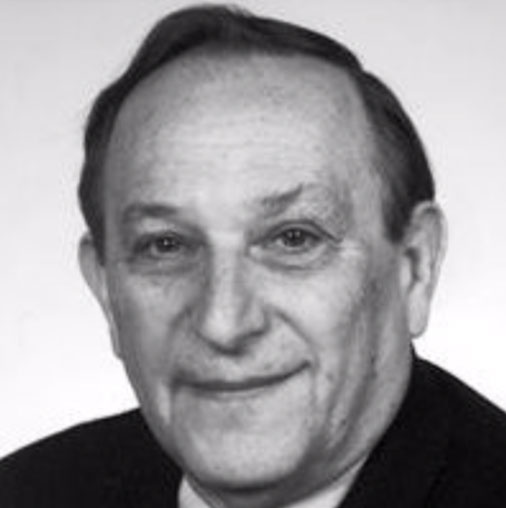
Samuel Franklin Dworkin, DDS, PhD
Dr. Samuel Dworkin was an internationally renowned clinician, researcher, and educator whose work fundamentally transformed the understanding and management of chronic orofacial pain and temporomandibular disorders. Working at the intersection of dentistry, psychology, and behavioral science, he was a central figure in advancing the biopsychosocial model of pain that underpins contemporary diagnosis, research, and patient care.
Dr. Dworkin earned a Bachelor of Science degree from the City College of New York, followed by a Doctor of Dental Surgery degree and a Certificate in Orthodontics from the New York University School of Dentistry in 1958. He practiced general dentistry in Manhattan for 16 years, during which early clinical experiences led him to recognize the profound influence of patient anxiety, communication, and psychosocial factors on pain. Motivated to better understand these dimensions, he pursued doctoral training in clinical psychology at New York University with support from a National Institute of Dental and Craniofacial Research fellowship.
Dr. Dworkin began his academic career at New York University and Columbia University, where he held faculty appointments in dentistry and behavioral sciences. In 1974, he was recruited to the University of Washington as Associate Dean for Academic Aairs in the School of Dentistry, with joint tenured appointments as Professor of Oral Medicine in the School of Dentistry and Professor of Psychiatry and Behavioral Sciences in the School of Medicine. Beginning in 1981, his work spanned both faculties, reflecting his commitment to interdisciplinary education and research. He later held the title of Professor Emeritus in both departments.
At the University of Washington, Dr. Dworkin led major initiatives integrating medicine and dentistry, including programs addressing care for patients with special needs, regional dental education, and behavioral science training. His research career was marked by continuous NIH funding and landmark epidemiologic studies demonstrating that chronic orofacial pain—particularly temporomandibular disorder (TMD) pain—is highly prevalent and strongly associated with emotional, cognitive, and social factors.
Dr. Dworkin spearheaded the development of the Research Diagnostic Criteria for Temporomandibular Disorders (RDC/TMD), published in 1992. This multiaxial framework systematically incorporated physical findings, psychological status, and pain-related disability, revolutionizing TMD research worldwide and later evolving into the evidence- based Diagnostic Criteria for TMD (DC/TMD) used internationally in clinical care. He also played a key role in establishing an international research consortium on TMD pain, supported by NIH funding, and developed an online platform providing standardized protocols translated into multiple languages, ensuring global accessibility for researchers and clinicians.
A prolific author, editor, and lecturer, Dr. Dworkin received numerous honors, including the American Dental Association’s Norton M. Ross Award for Excellence in Clinical Research, the Wilbert E. Fordyce Clinical Investigator Award from the American Pain Society, the Behavioral Sciences and Health Services Research Award from the International Association for Dental Research, and honorary doctoral degrees from Université Laval and Malmö University.
His legacy endures through his transformative scholarship, his leadership in interdisciplinary education, and the generations of clinicians and researchers influenced by his vision that dentistry treats people—not just teeth—and that pain must be understood in its full biological, psychological, and social context.
Weldon E. Bell, DDS
Dr. Weldon E. Bell was a highly respected clinician, educator, and author whose career was devoted to advancing understanding of temporomandibular joint disorders and orofacial pain at a time when these conditions were poorly understood within dentistry and medicine. He was widely recognized for his intellectual rigor, clinical insight, and lifelong commitment to clarifying complex pain disorders.
Dr. Bell graduated as valedictorian from the Baylor University College of Dentistry in 1934, earning his Doctor of Dental Surgery degree. Immediately following graduation, he joined the teaching sta at Baylor University College of Dentistry, serving as Clinical Head of the Department of Oral Surgery and Oral Diagnosis. In 1935, he also joined the sta at Parkland Hospital. His postgraduate training in oral surgery was completed through preceptorship with Dr. Athol Frew, Sr., from 1934 to 1940, during which time they worked closely as a surgical team at Baylor University Hospital, Children’s Hospital, Scottish Rite Hospital for Crippled Children, and Parkland Hospital.
Dr. Bell began his academic career as a professor of oral surgery and later served as a professor of anatomy at Baylor University College of Dentistry. After retiring from private practice in 1974, he continued his academic contributions as a Clinical Professor of Oral Surgery at the University of Texas Southwestern Medical School. Throughout his career, he was known for bridging foundational anatomy, clinical oral surgery, and emerging concepts in orofacial pain diagnosis.
Dr. Bell made lasting scholarly contributions through his publications, authoring 26 articles in dental and medical journals, as well as several book chapters. He is particularly remembered for his influential textbooks, TMJ Disorders and Orofacial Pains, which became foundational references for clinicians seeking practical and conceptual clarity in the diagnosis and management of temporomandibular disorders and facial pain. His writing reflected a methodical, evidence-informed approach that helped legitimize orofacial pain as a serious area of clinical inquiry.
An active and sought-after lecturer, Dr. Bell presented extensively on orofacial pain and temporomandibular disorders and participated in numerous national symposia, including the NIDR Workshop on Orofacial Pain at the National Institutes of Health. His expertise and contributions were widely recognized by the profession. Among his honors were Dallas Dentist of the Year, Distinguished Alumnus of Baylor College of Dentistry, the Yearbook Medal for Orofacial Pains, and other awards acknowledging excellence in clinical dentistry and education. In early 1990, the American Equilibration Society honored Dr. Bell by dedicating its annual meeting to him.
Dr. Bell is remembered as one of the early giants in the field of orofacial pain. His more than six decades as a clinician, educator, and author significantly advanced understanding and management of temporomandibular joint disorders and facial pain, leaving a legacy that continues to influence the specialty today.
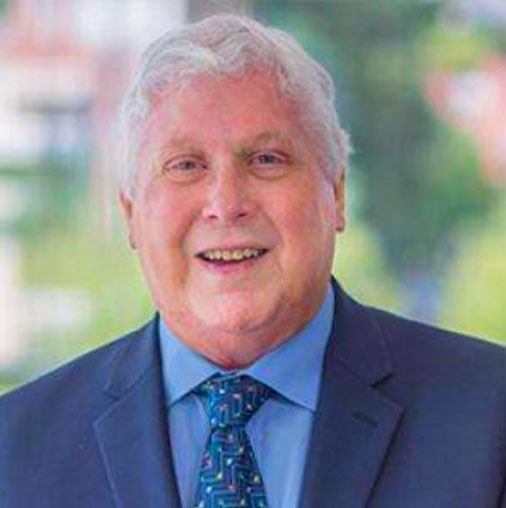
William “Bill” Maixner, DDS, PhD
Dr. William “Bill” Maixner was an internationally respected scientist, educator, and visionary leader whose work profoundly advanced the understanding of chronic pain across disciplines, including orofacial pain, anesthesiology, and translational medicine. Trained as both a dentist and neuroscientist, he was widely recognized for conceptualizing pain as a systemic disorder and for translating basic scientific discoveries into meaningful clinical applications.
A native of Ottumwa, Iowa, Dr. Maixner earned his BS, DDS, and PhD degrees from the University of Iowa, followed by a research fellowship at the National Institute of Dental Research. He spent more than three decades at the University of North Carolina at Chapel Hill, rising from Assistant Professor to Mary Lily Kenan Flagler Bingham Distinguished University Professor. During his tenure at UNC, he served as Professor in the Departments of Endodontics and Pharmacology, Co-Director of the Oral and Maxillofacial Pain Program, Associate Dean for Academic Affairs in the School of Dentistry, and Director of the Center for Pain Research and Innovation.
In 2016, Dr. Maixner joined Duke University as the Joannes H. Karis, MD, Professor of Anesthesiology, where he also served as Vice Chair for Research and Director of the Center for Translational Pain Medicine. Under his leadership, the Center received designation as a National Center of Excellence, supported by a prestigious NIH Program Project Grant, and rapidly became an internationally recognized hub for interdisciplinary pain research. He also played a central role in establishing Duke Innovative Pain Therapies, a multidisciplinary clinical program focused on non-opioid, precision-based pain management.
Dr. Maixner’s research career was marked by continuous NIH funding since 1986 and more than 200 peer-reviewed publications and book chapters. His scientific work focused on biological, environmental, and genetic mechanisms of pain modulation, with particular emphasis on comorbid pain conditions. He was the principal investigator of the landmark OPPERA studies, the most comprehensive investigations of temporomandibular joint and muscle disorders to date, which fundamentally reshaped understanding of risk, persistence, and overlap among chronic pain conditions.
Beyond orofacial pain, Dr. Maixner was a pioneer in assembling interdisciplinary teams to identify shared mechanisms across diverse pain disorders, including migraine, fibromyalgia, arthritis, pelvic pain, and low back pain. His leadership helped move the field toward precision medicine approaches for chronic pain.
A national leader in pain science, Dr. Maixner served as President of the American Pain Society, was a member of the NIH Pain Consortium, and served on the U.S. Interagency Pain Research Coordinating Committee. His honors included the Wilbert E. Fordyce Clinical Investigator Award, the New York College of Dentistry Distinguished Scientist Award, and lifetime Honorary Membership in the International Association for the Study of Pain.
Equally impactful was Dr. Maixner’s dedication to mentorship. A member of the FAER Academy of Research Mentors, he guided generations of trainees across disciplines. His legacy endures through his scientific contributions, his collaborative vision, and the many lives he touched through mentorship and leadership.