

Committee Update: Insurance Committee
Bio:
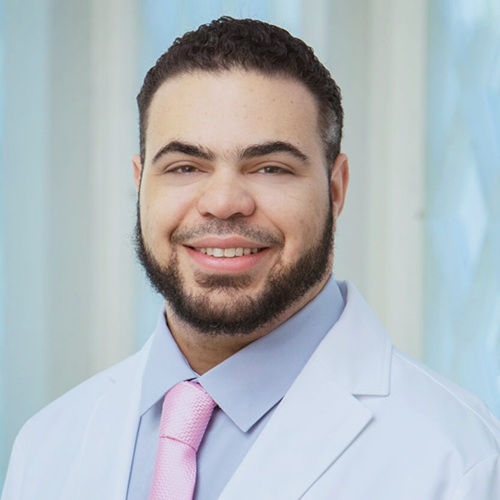
Dr. Reimy Evangelista De Leon is an Orofacial Pain specialist, educator, and healthcare leader dedicated to advancing the field of orofacial pain. He serves as the owner and clinical director of Vermont Orofacial Pain Associates, where he provides comprehensive, evidence-based care for patients with complex craniofacial pain conditions.
Dr. Evangelista earned his Doctor of Dental Surgery degree from the Pontificia Universidad Católica Madre y Maestra in the Dominican Republic, completed advanced specialty training in Orofacial Pain at Tufts University School of Dental Medicine, and received a Master of Science in Healthcare Management from the University of Massachusetts.
In addition to private practice, Dr. Evangelista is actively engaged in academic education and professional training through appointments with Tufts University School of Dental Medicine, the University of Vermont (UVM), the Escuela Nacional de Estudios Superiores (ENES), Universidad Nacional Autónoma de México (UNAM), and the Orofacial Sleep Consortium. He is committed to mentoring the next generation of clinicians and promoting interdisciplinary approaches to the management of chronic pain disorders.
A strong advocate for organized dentistry and specialty advancement, Dr. Evangelista serves as an Executive Board Member of the Vermont State Dental Society (VSDS) and is now Chair of the Insurance Committee for the American Academy of Orofacial Pain (AAOP).
Originally from the Dominican Republic, Dr. Evangelista remains dedicated to leadership, education, and service through local and international outreach initiatives.
Can you share the background of how the committee was formed and what inspired you to serve as chair?
The Insurance Committee was established to help address one of the most significant challenges facing Orofacial Pain providers today: access to care and reimbursement for the services we provide. As our specialty continues to grow and gain recognition, there is a clear need to better understand the insurance landscape, identify barriers to coverage, and advocate for patients and providers alike.
I was honored to recently be appointed Chair of the Insurance Committee. Having experienced many of these challenges firsthand in clinical practice, I recognized an opportunity to contribute to meaningful solutions. What inspired me most was the chance to collaborate with colleagues who share a commitment to advancing our specialty and improving access to evidence-based Orofacial Pain care.
How many members are currently part of the committee, and could you briefly recognize them?
The committee is currently in a rebuilding and development phase, and we are actively working to refresh and expand our membership. Our current members include Dr. Ashkan Saadi, Dr. Amrittej Virk, Dr. Mayoor Patel, Dr. Haissam Dahan, and myself as Chair.
I am grateful for the willingness of these colleagues to contribute their expertise and perspectives as we establish the committee's foundation and strategic direction. We also welcome additional members who are interested in participating and helping shape the future of this important initiative.
What is the committee’s mission, and what key needs or gaps does it aim to address within the organization or profession?
Our mission is to support the advancement of Orofacial Pain by addressing insurance-related challenges that affect both providers and patients. We hope to serve as a resource for the Academy, identify trends in reimbursement and coverage policies, promote greater understanding of coding and documentation requirements, and help advocate for appropriate recognition of Orofacial Pain services.
At present, there remains significant variability in coverage, reimbursement, and payer recognition of Orofacial Pain diagnoses and treatments. These challenges can create barriers to patient access and place administrative burdens on providers. The committee aims to better understand these issues and develop strategies that support the long-term growth and sustainability of our specialty.
What upcoming initiatives or goals are you most excited about, and how do you envision the committee evolving in the future?
Because the committee is in its early stages of redevelopment, our immediate focus is on establishing priorities, gathering input from AAOP members, and identifying areas where the committee can have the greatest impact.
In the future, I envision the committee becoming a valuable resource for AAOP members and an important voice in discussions related to insurance coverage, reimbursement, and patient access to care. While there is a great deal of work ahead, there is also tremendous opportunity to make a meaningful difference for our profession.
How can members get involved, and how would you encourage especially early-career members to participate?
We encourage any AAOP member with an interest in insurance, coding, reimbursement, advocacy, healthcare policy, or practice management to reach out and become involved. You do not need to be an expert in insurance to contribute. In fact, diverse perspectives are essential as we identify challenges and develop solutions.
For early-career members, committee participation offers a unique opportunity to gain leadership experience, develop a deeper understanding of the healthcare system, collaborate with experienced colleagues, and help shape the future of the specialty. Fresh ideas and new perspectives are especially valuable as we build the committee's foundation.
Is there anything about the committee or its work that you wish more members were aware of?
I believe many members may underestimate the impact that insurance policies and reimbursement structures have on patient access to Orofacial Pain care. Insurance-related issues affect nearly every aspect of clinical practice and can influence whether patients receive timely and appropriate treatment.
The work of this committee extends beyond reimbursement alone. It is ultimately about supporting patients, strengthening the specialty, and helping ensure that Orofacial Pain providers can continue delivering high-quality care. We are still in the early stages of development, and we welcome feedback, ideas, and participation from the entire AAOP community as we move forward together.
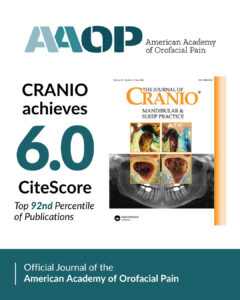 Congratulations to CRANIO, Dr. Manfredini and the editorial team of CRANIO- Official Journal of AAOP, this ranking is further recognition of evidence-based principles that guide us in everyday practice!
Dr. Manfredini:
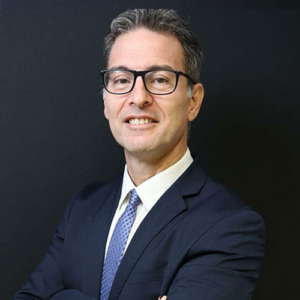 As every year in early June, the Scopus Cite Score for 2025 was released for peer-reviewed journals. The score is an indicator of the ratio between the number of citations received in the four preceding years by the articles published in the same span.
CRANIO score is 6.0, which marks an impressive increase from 4.5 (2023) and 5.6 (2024), confirming a positive trend that started from the moment the new Editorial Board took over the journal in January 2024. The AAOP partnership established in 2025 surely contributed a lot to maintain the tendency.
The 2025 Cite Score positions CRANIO within the 92th percentile in the category “dentistry” out of more than 300 peer-reviewed journals, well ahead of notable journals dealing with our discipline and even with general dentistry.
This is an outstanding achievement, considering that the journal deals with a relatively minor discipline and that, importantly, it maintains the virtuous “hybrid” format, viz., it is available for subscribers and authors are not obliged to pay to publish, compared to the open access journals that have an inevitable major visibility.
This confirms the quality of the work made so far, and is a testament to the incredible effort of the editorial board members and reviewers, including several AAOP associates, as well as the quality of submitted manuscripts.
Congratulations Dr. Okeson!
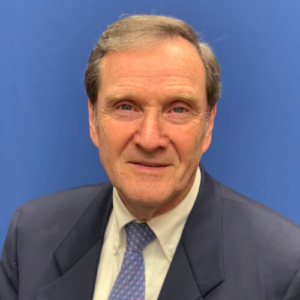
The Academy of General Dentistry (AGD) honored Jeffrey P. Okeson, DMD, with the 2026 Dr. Thaddeus V. Weclew Award, its highest recognition for excellence in dental education, during the AGD2026 Convocation Ceremony on June 24 in Las Vegas.
A globally recognized leader in orofacial pain and temporomandibular disorders (TMDs), Dr. Okeson has made lasting contributions to the field through decades of excellence in education, research, clinical care, and authorship.
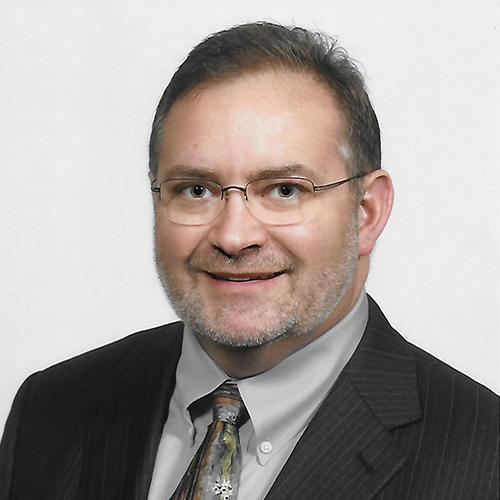
Interview with Kevin Huff
Bio:
Dr. Kevin Huff is an orofacial pain specialist who also practices complex general dentistry in Dover, Ohio. He holds the accolades of Master in the Academy of General Dentistry and Diplomate of the American Board of Orofacial Pain. He is also a Fellow of the American Academy of Orofacial Pain, the American College of Dentists, and the International College of Dentists as well as being a member of the American Dental Association and the Academy of General Dentistry. Within the Academy of Orofacial Pain, Dr. Huff has held the leadership positions at Vice Chair and Chair of the Access to Care Committee, has been a member of the Interprofessional and Legislative Committees, and is currently serving a three-year term as a member of Council.
Along with his clinical practice, Dr. Huff has been a clinical instructor at the Case School of Dental Medicine and the Mercy Hospital General Practice Residency Program. He serves as a reviewer for Cranio and General Dentistry and was a reviewer for the NASEM Report of 2020, TMD Report: Priorities for Research and Practice. He is well-published in peer-reviewed and non-peer-reviewed journals, but his most notable accomplishments are being the lead author of the Clinical Handbook of Oral, Face, and Head Pain and a textbook, Complete Denture Therapy for the General Practitioner, as well as an author of the Clinical Handbook for Sleep and Orofacial Pain (in press).
Q1: How did you get interested in the field of Orofacial Pain?
My wife suffered from jaw pain and headaches, and I was frustrated that I could not help her no matter what I did dentally to help her with a variety of different types of bite splints that I learned through many continuing education courses, and her physician really could not help. Then I had a patient who had chronic headaches who I treated with bite splint therapy, then she developed degenerative joint disease in her left TMJ and blamed me. I was so frustrated because I thought I had done everything right. Then I met Dr. Eric Schiffman at a meeting who educated me about the biopsychosocial model. A friend of mine, Dr. Matt Lark, encouraged me to take courses and attempt to become qualified to sit for the ABOP exam. I started by taking the Rutgers Online Continuum, then the LSU Orofacial Pain Continuum, etc. The rest is history.
Q2:How do you feel that the field of Orofacial pain has evolved over the years?
The Engelian biopsychosocial model rather than the Cartesian biological model of diagnosing and managing pain has enabled us to treat patients more effectively and specifically by understanding more about what contributes to the pain experience. I personally believe that when I started to listen to what patients were telling me instead of just what I saw, I began to see much more successful outcomes.
Q3:The most challenging and rewarding aspects of caring for patients with Chronic Pain?
In general, the ability to help patients get significant relief after they have been unfortunately treated unsuccessfully often for many years by people “doing stuff” to their teeth and or throwing many different types of medications at them without any diagnosis that is more descriptive then “TMJ” or “headaches” is most rewarding.
There are two major challenges that I see. Fighting against the strong currents of what continues to be taught in mainstream continuing education programs that is not consistent with the biopscychosocial model is exhausting. Patients have difficulty believing that their pain may be caused by multiple other factors because so many people have told them that it’s all about their teeth. Getting reimbursed fairly for our knowledge and care, whether it be through a medical or a dental billing model, is a significant problem. The solution to both of these challenges requires grassroots efforts of both our patients and organized dentistry to change laws to enable affordable access to care and our ability to make a living providing it.
Q4: What advice do you have for the members who are starting their carrier in field of Orofacial Pain? Suggest some resources that were helpful to you.
I suggest that they find a trusted mentor in this field and learn as much as they can from them. Develop friendships through the AAOP and welcome general dentists to learn from them as well.
Personally, I have found that adding high-quality complete denture therapy to my practice is a wonderful addition, which I realize is strange. After all, I believe that orofacial pain specialists are likely the most appropriate specialists to provide this care because they are, in essence, dual-arch orthotic appliances, and most denture wearers also suffer some aspect of orofacial pain. Of course, our prosthodontic colleagues also can provide excellent denture care, but those who I have talked to would prefer that I manage these types of cases.
Q5: What do you like to do in your free time?
I love to exercise and work for my daughter as her roadie in my free time. I love to run and bicycle, and I put my time in at the gym with weights as well. My daughter is a singer/songwriter and has gigs most weekends during the summer at local wineries; I cart her equipment around and run her sound. I like to think that my “real job” is working for Kami Huff Music (www.kamihuffmusic.com).
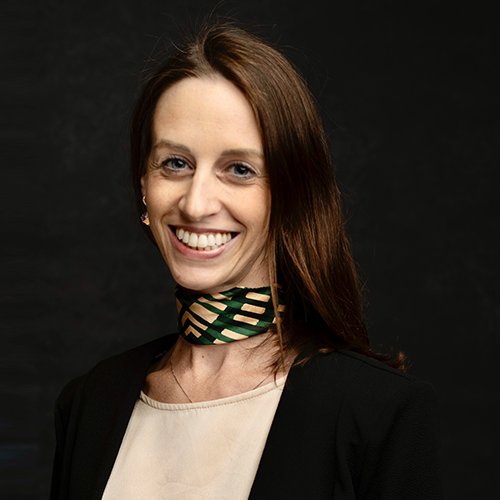
Interview with Linda Sangalli
Bio:
Dr. Linda Sangalli, DDS, MS, PhD, is a dentist as training (University of Brescia, Italy), with a specialization in Orthodontics and a Ph.D. in Technology for Health (Italy). After working for a decade as a specialist orthodontist, she moved to the University of Kentucky to complete a master of science in Orofacial Pain, along with a Graduate Certificate in Applied Statistics. She is a Diplomate of the American Board of Orofacial Pain.
Currently, Dr. Sangalli works as a Clinical Assistant Professor at Midwestern University, College of Dental Medicine – Illinois, where she is responsible for teaching orofacial pain to predoctoral students and managing patients with orofacial pain. She is also attending physician at Advocate Illinois Masonic Medical Center in Chicago.
Her research centers on developing and testing digital learning environments to compensate for limited clinical exposure to orofacial pain patients during dental training. A second line of research is focused on non-pharmacological sleep intervention for managing orofacial musculoskeletal pain. For her research, she received funding from the National Institutes of Health (NIDCR), ADEAGies Foundation, American Academy of Orofacial Pain, International Association for the Study of Pain, International Association for Dental Research, and American Academy of Dental Sleep Medicine. She published over 100 peer-reviewed scientific articles all in the past 5 years and contributed to numerous books and national presentations on orofacial pain.
Q1: What initially sparked your interest in pursuing Orofacial Pain as a specialty?
I am an orthodontist as training, and I have practiced as an orthodontist in Italy and the United Kingdom for about 10 years. My decision to pursue a specialty in Orofacial Pain derived from a clinical observation that a number of my patients would develop signs and symptoms of orofacial pain either during active orthodontic treatment or later, in the retention phase, when treatment had already been completed. Unfortunately, I did not receive enough training in orofacial pain during my dental school and in several private CE courses I attended to learn more on this topic. My dental education was mainly didactic and occlusion-centered and did not equip me with the clinical depth I needed. Ultimately, I realized that if I wanted to provide truly comprehensive care for my patients, I needed more than a surface-level understanding, which lead me to apply to an advanced training in orofacial pain at the University of Kentucky.
Q2: Why did you become an AAOP member?
I became an AAOP member because I believe that a professional organization is only as strong as the engagement of its members. If we want the Academy to support us, for example by advancing education or promoting network opportunities, then we also have a responsibility to contribute to its growth and direction. For me, being a member means being actively involved. That is why I participate in committees and stay engaged with leadership and colleagues. I see the AAOP as a community we collectively shape according to our professional and patient needs.
Q3: What advice would you offer to other members who are just beginning their careers in Orofacial Pain? Are there any resources, mentors, or experiences that have been especially helpful to you?
My advice is to invest early in building long-lasting relationships with mentors, colleagues, and AAOP leadership. These connections can help navigate challenges that many of us have already faced and worked through. I have always enjoyed attending the AAOP Annual Scientific Meeting to consolidate these relationships with mentors, colleagues, and peers, as well as connecting with new graduates. It creates opportunities for collaboration, meaningful exchange of ideas, patient referrals, and practical clinical insights. There are so few of us in the country that supporting one another is both important and genuinely fulfilling.
Q 4: Outside of work, what do you enjoy doing in your free
Outside of work, I enjoy running and biking, and I regularly participate in marathons and triathlons.
Upcoming Events

AAOP Annual Scientific and Clinical Meeting 2027
Join us at Nashville Gaylord Opryland Resort & Convention Center
Registration is not open yet, but stay tuned for updates!

AAOP TEAM Course
Unmasking Orofacial Pain: What Every Clinician Should Know
A hands-on all-inclusive 2-day TMD retreat and 1-year access to exclusive online educational material.
Related Conferences
Scottsdale Headache Symposium 2026
Dates: December 3–6, 2026
Location: Westin Kierland Resort & Spa
Registration: https://americanheadachesociety.org/events/2026-scottsdale-headache-symposium/registration
PAINWeek 2026 – September 8–11 (Las Vegas)
Dates: September 8–11, 2026
Location: The Cosmopolitan of Las Vegas
Pre-conference workshop: September 7, 2026
Registration: https://conference.painweek.org/#registration
IASP 2026 World Congress on Pain
Dates: October 26–30, 2026
Location: Bangkok International Trade & Exhibition Centre (BITEC), Bangkok, Thailand
Registration: https://worldcongressonpain.secure-platform.com/a/page/Registration-root/registration
EAOPD Conference:
Friday 18th and Saturday 19th September 2026
Location: in Athens, Greece
Registration: https://www.eaopd.org/subscribe
