
January 2026 Newsletter
Letter from the President
President’s New Year Message
Dear AAOP Members,
Happy New Year to the AAOP community. As the year ahead begins, we extend sincere thanks to each of you for your continued dedication to advancing the science, education, and clinical care of orofacial pain. The strength of our Academy lies in the commitment, expertise, and collegiality of its members, and we are deeply grateful for all that you do on behalf of our patients and our specialty.
The coming year brings exciting opportunities for growth, collaboration, and innovation within AAOP. We are proud to recognize AAOP members and Guidelines Editors Marcela Romero Reyes and James Hawkins, who were co-authors of American Dental Association and American Academy of Oral and Maxillofacial Radiology Patient Selection for Dental Radiography and Cone-Beam Computed Tomography: Clinical Recommendations, published in the January 2026 issue of JADA. The Academy is honored to highlight the accomplishments of its members and encourages everyone to share achievements so they may be celebrated together.
AAOP is also pleased to announce the upcoming launch of its new website, which will enhance communication, expand resources, and strengthen engagement among members, patients, and the broader healthcare community. More details will be shared soon.
A particularly meaningful milestone lies ahead as AAOP celebrates its 50th anniversary at the 50th Scientific Meeting in Orlando, Florida. This landmark event offers an opportunity to reflect on the Academy’s progress while looking ahead to the future of orofacial pain. The pre-conference program and Scientific Meeting will feature an exceptional range of educational offerings, from hands-on procedural training to emerging science and immediately applicable clinical tools, ensuring there is something for everyone.
Wishing all members a healthy, productive, and rewarding year as we continue to move the Academy forward together.
Michele Schultz-Robins, DMD, FAAOP, DABOP
Member Spotlight
Dr. Sowmya Ananthan
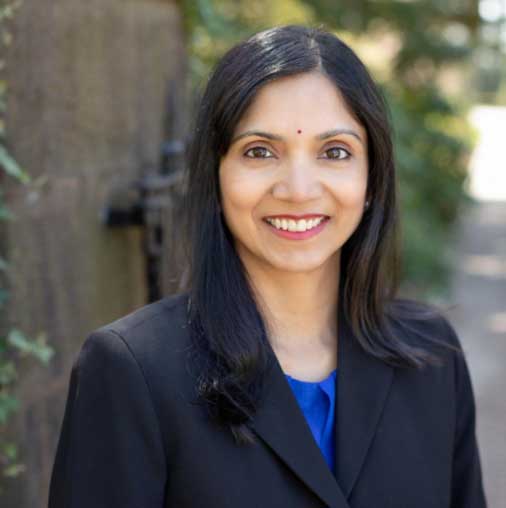 Dr. Sowmya Ananthan is a graduate of the Rutgers School of Dental Medicine, where she earned both her DMD and MSD degrees. Prior to that, she received a Bachelor of Dental Surgery (BDS) degree from India. She is a Diplomate of the American Board of Orofacial Pain, a Diplomate of the American Academy of Dental Sleep Medicine, and a Fellow of the American Academy of Orofacial Pain.
Dr. Ananthan teaches in the Division of Orofacial Pain at Rutgers School of Dental Medicine in Newark, NJ, where she supervises residents providing clinical care to patients with complex orofacial pain problems. She also serves as the Assistant Program & Clinic Director of the Post-Graduate Orofacial Pain Program.
She treats patients at the Rutgers Health faculty practice in New Brunswick, NJ, as well as in her private practice in Red Bank and Plainsboro, NJ.
Dr. Ananthan is an examiner with the American Board of Orofacial Pain and serves as a reviewer for numerous journals, in addition to being extensively published.
Her areas of research include orofacial neuropathic pain, novel therapeutic modalities such as topical medications for neuropathic pain and TMDs, and new injection techniques, including the twin nerve block for the management of masticatory myofascial pain.
She is a mentor to many residents in the Master’s program, assisting with research projects and thesis preparation and defense, and has presented abstracts at numerous national and international meetings.
She is happily married and has two children. In her spare time, she enjoys spending time outdoors with her family and traveling to new destinations.
Get to Know Dr. Sowmya Ananthan
A brief Q&A exploring her career, passions, and insights for future professionals
How did you get interested in the field of Orofacial Pain?
When I first came to the United States, like many foreign-trained dentists, my goal was to pursue a U.S. dental degree. In order to strengthen my CV, I began exploring fellowship programs and discovered that Rutgers offered one in Orofacial Pain. Since I had no prior exposure to this field during my predoctoral training in India, I decided to join the program.
Very quickly, I realized how intellectually stimulating and rewarding a clinical and academic career in Orofacial Pain could be.
Inspired by my mentors at Rutgers—Dr. Eli Eliav and Dr. Richard Pertes—I went on to enroll in the Master’s program in Orofacial Pain. I was also fortunate to receive training from pioneers in the field, including Dr. Gary Heir, Dr. Rafael Benoliel, and Dr. Samuel Quek, whose mentorship further solidified my commitment to this specialty.
How do you feel the field of Orofacial Pain has evolved over the years?
When I first began my career, Orofacial Pain was not recognized as a distinct specialty, and relatively few dental graduates were drawn to the field. Looking back, it is deeply gratifying to see how much the specialty has evolved and to witness the growing interest among newer graduates who now view Orofacial Pain as a viable and meaningful career path.
One of the most impactful changes has been the development of the International Classification of Orofacial Pain (ICOP), which brought much-needed structure and clarity to the diagnosis of complex pain conditions.
While technology and diagnostic tools have advanced, the core principles of specialty practice have remained constant. Above all, I have learned that careful listening remains the most valuable clinical skill—patients often reveal the diagnosis if we take the time to truly hear their story.
What are the most challenging and rewarding aspects of caring for patients with chronic pain?
One of the greatest challenges is maintaining the same level of attentiveness, empathy, and presence with every patient, regardless of time pressures or clinical demands. Each patient’s experience is unique, and delivering thoughtful, patient-centered care requires sustained focus throughout the day.
At the same time, this work is profoundly rewarding. One of the most meaningful moments is when I am able to provide patients with a clear diagnosis. Even when pain is not fully resolved, the validation that comes from understanding the source of symptoms often brings significant relief. That clarity can restore reassurance, control, and hope—powerful therapeutic outcomes in themselves.
What advice do you have for members starting their career in Orofacial Pain?
One of my teachers, Dr. Hal Cohen, once told me after a difficult patient encounter:
“You will not be able to help everyone—especially someone who doesn’t want to be helped.”
This advice has stayed with me and is especially important for new graduates. It helps set realistic expectations and maintain perspective in a field that can be emotionally demanding.
The American Academy of Orofacial Pain (AAOP) is an excellent resource early in one’s career. It offers opportunities to connect with experienced clinicians, mentors, and peers. Never hesitate to ask questions—people are often far more willing to help than you might expect. I have been fortunate to have wonderful mentors, and I truly believe mentorship enriches both professional growth and personal life.
What do you like to do in your free time?
In my free time, you’ll usually find me curled up with a good book and my dog, or happily binge-watching K-dramas. I love traveling with my family and am a huge national parks enthusiast—I’m on a mission to visit all 63 U.S. national parks. Someday, I hope to become a seasonal park ranger!
Member Spotlight: 10 years and under
Meet Dr. Connor Peck
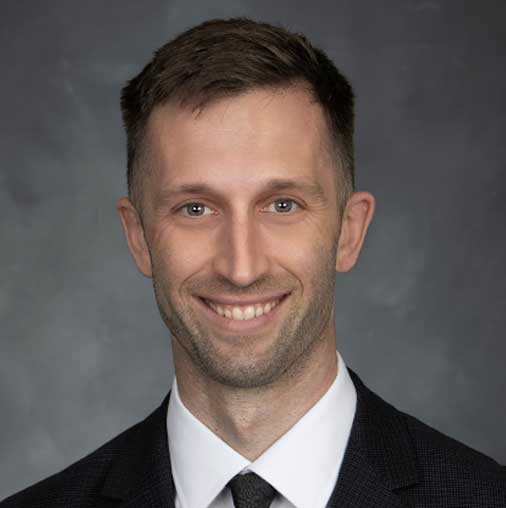 Dr. Connor Peck completed a two-year residency in Orofacial Pain at the University of Minnesota in 2020. He now owns a multi-disciplinary Orofacial Pain group practice in Wisconsin. His practice focuses on the diagnosis and management of the full scope of Orofacial Pain conditions, along with treatment of sleep-related breathing disorders with oral appliances.
An advocate for conservative, patient-centered care whenever possible, Dr. Peck collaborates with other Orofacial Pain specialists, physical therapists, and physicians on his team in an effort to create a center of excellence for patients seeking their care.
Get to Know Dr. Connor Peck
A brief Q&A exploring his career, passions, and guidance for future professionals
What initially sparked your interest in pursuing Orofacial Pain as a specialty?
My journey into Orofacial Pain began during my third year of dental school, when a local specialty group delivered a captivating series of lectures to our class. I was drawn to the specialty’s medical model, it aligned with my clinical interests, and I recognized an underserved patient population where I felt I could make a difference.
Orofacial pain is a challenging yet deeply rewarding field, and I haven’t looked back since deciding to pursue it.
Why did you become an AAOP member?
I joined the AAOP as a student member during my residency program at the University of Minnesota. The AAOP is the leading organization in our specialty and aligns with my patient-centered treatment philosophy, emphasizing evidence-based care and interdisciplinary collaboration.
The annual meetings and year-round CE opportunities on their digital platforms have been invaluable for me.
What advice would you offer to other members who are just beginning their careers in Orofacial Pain? Are there any resources, mentors, or experiences that have been especially helpful to you?
If you’re just scratching the surface, I’d strongly recommend applying to and attending an accredited residency program. These programs are the gold standard if you aim to develop a foundational knowledge of the wide range of conditions we encounter and manage as a specialty.
The faculty and co-residents I trained with in residency were phenomenal and have remained friends and mentors years after graduation. Pursuing board certification through the ABOP will distinguish you as an expert in the field as well.
If you’re already at this stage, then joining the AAOP is a great next step. Attending the annual meetings each spring and connecting with colleagues from various backgrounds is a tremendous opportunity to learn and grow your career.
Outside of work, what do you enjoy doing in your free time?
My wife and I have three children, all five and under, so when I’m not in the clinic I’m chasing the three of them around—there’s never a dull moment!
Outside of spending time with family, exercise is a great and necessary outlet for me, and I enjoy getting out to the golf course when I have the time—unfortunately golf season is far too short in Wisconsin!
Celebrating the 50th Anniversary
AAOP Past President Message
Dr. Ghabi Kaspo (2017–2018)
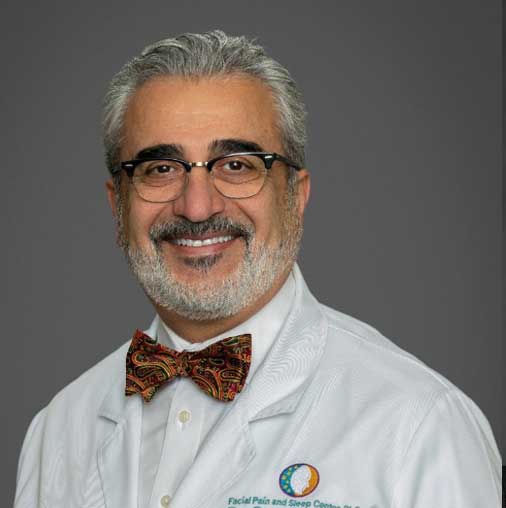
Serving as President of the American Academy of Orofacial Pain remains one of the most meaningful chapters of my professional life. I am proud to have contributed to an organization that has consistently advanced scientific knowledge, elevated clinical standards, and supported generations of clinicians dedicated to improving patients’ lives.
What stands out most from my time in leadership is the spirit of collaboration, curiosity, and compassion that defines the AAOP. As we celebrate 50 years, I reflect with gratitude on the mentors, colleagues, and friends who shaped our journey, and I look forward with great optimism to the Academy’s continued leadership in shaping the future of orofacial pain care.
Committee Update
Past AAOP President
Dr. Joseph Richard Cohen (2004–2005)
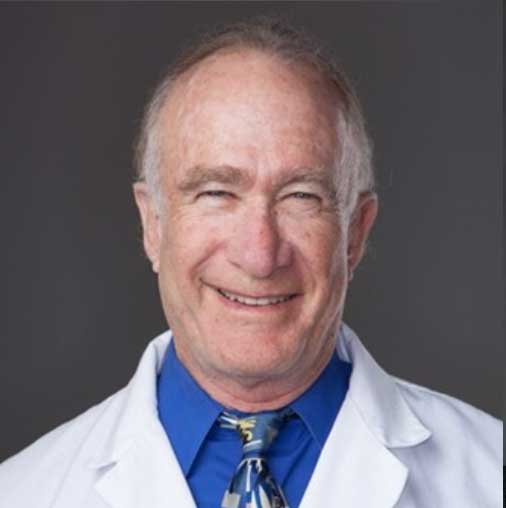
Dr. Cohen is a board-certified specialist in orofacial pain (OFP) and has treated thousands of TMD and OFP patients at Southwest Pain Management Associates in the greater Phoenix area since 1980 and at A.T. Still University (ATSU) since 2010, where he is currently Assistant Professor and Director of the Orofacial Pain Clinic.
He is also part-time faculty at the UCLA OFP residency program, where he treats OFP patients and trains OFP residents. As an OFP specialist, he has expertise in diagnosing and treating jaw joint and muscle disorders, neck and shoulder pain, migraine and tension-type headaches, facial neuralgias, facial movement disorders, and the relationship between these pain disorders and tooth pain without dental pathology.
Dr. Cohen is the first Commissioner for the new specialty of Orofacial Pain for the Commission on Dental Accreditation (CODA). In this role, he serves as chair of the committee that sets educational standards for OFP residency programs in the United States and serves as a CODA commissioner responsible for standards across all dental education programs in the U.S.
He has lectured extensively at national and international levels, including upcoming lectures in Brazil in November 2025 and for the American Endodontic Society in March 2026.
Dr. Cohen is a section editor for Cranio (the official journal of the American Academy of Orofacial Pain) and is a frequent reviewer for numerous journals, including The Journal of the American Dental Association (JADA), American Headache Society, Cephalalgia, Triple O, and others.
He is a past president of both the American Board of Orofacial Pain (ABOP) and the American Academy of Orofacial Pain (AAOP). He is a Diplomate of the Academy of Integrative Pain Management and the American Academy of Pain Management.
Dr. Cohen holds membership in many professional organizations, including the American Dental Association, American Pain Society, and the American Academy of Dental Sleep Medicine. He is also a Fellow of the American Academy of Orofacial Pain, American Headache Society, American College of Dentists (FACD), International College of Dentists (IACD), and the Pierre Fauchard Academy.
He is a graduate of the University of Tennessee Dental School and received advanced training in Orofacial Pain at UCLA. He has published numerous scientific papers and is currently finalizing a research study on the use of laughter in the treatment of head and neck pain.
Dr. Cohen also contributed to the Guidelines for the Diagnosis and Treatment of TMD and OFP published by Quintessence.
He continues to see patients regularly at ATSU and at the private endodontic practice of Dr. Mark Kerr in Gilbert, Arizona.
Upcoming Meetings
2026
International Headache Academy
Dates: February 26-28, 2026
Location: UCLA Meyer & Renee Luskin Conference Center – Los Angeles, CA, USA
Registration: https://www.usasp.org/event-details/2026-international-headacheacademy-1
68th Annual Scientific Meeting – American Headache Society
Dates: June 4-7, 2026
Location: Orlando World Center Marriot – Orlando, FL, USA
Registration: https://americanheadachesociety.org/events/68th-annual-scientific-meeting/
2026 IADR/AADOCR/CADR General Session & Exhibition
Dates: March 25-28, 2026
Location: San Diego, CA, USA
Registration: https://www.iadr.org/2026iags_registration
2026 AAN Annual Meeting
Dates: April 18-22, 2026
Location: Chicago, IL, USA and Online
Registration: https://corereg.cmrus.com/aanam
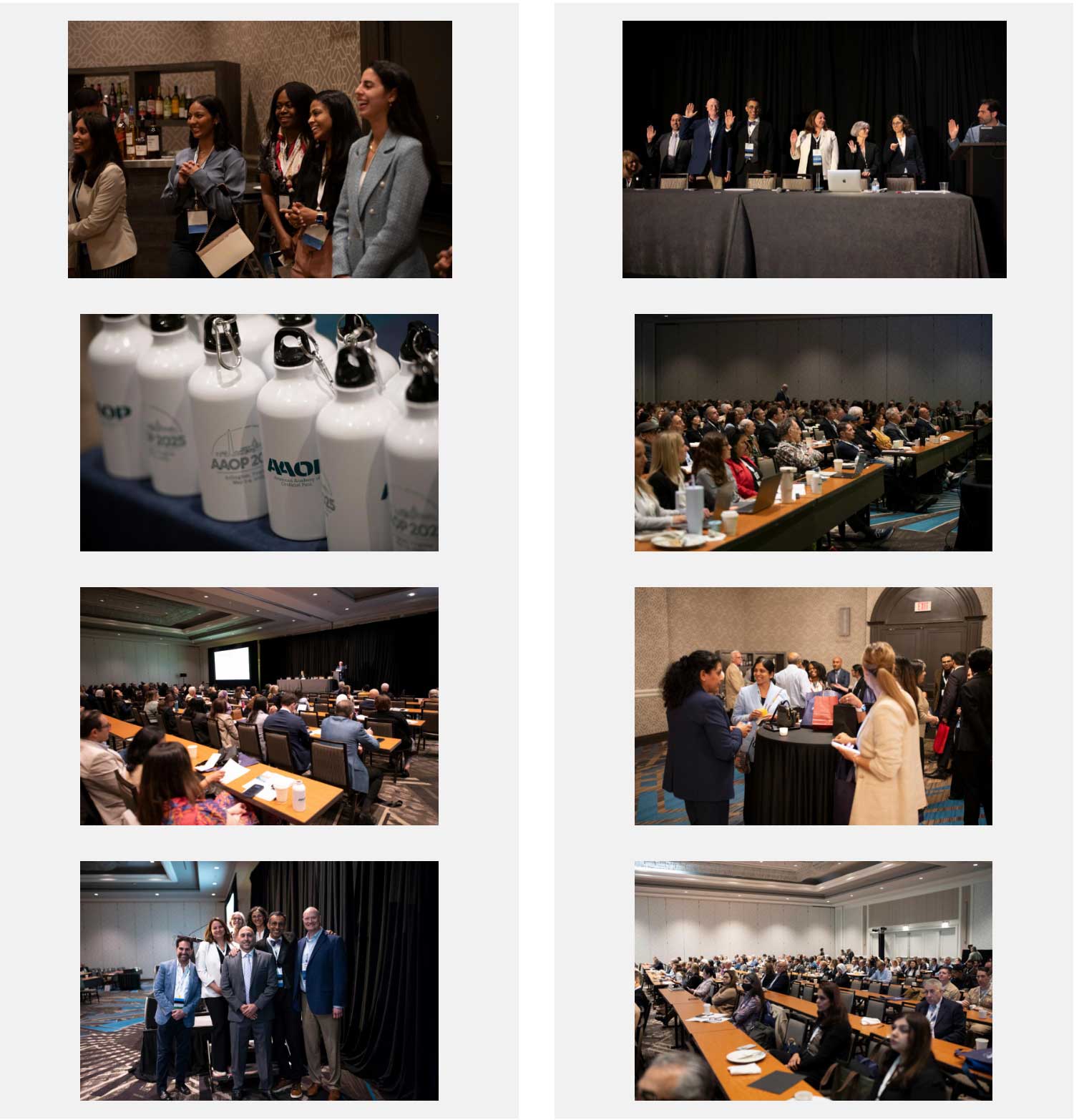
Snap shots from 2025 Meeting